top of page


EMDR Therapy for Trauma, Anxiety & Stress in Somerset & Online Across the UK
EMDR Therapy: The Deep Healing Approach for Adults who Usually 'Push Through' On Their Own
People who I work with are often analytical, intelligent, effective problem solvers yet find themselves stuck in a loop - They can logically know something yet their feelings are not in sync. That is because some experiences are stored in our nervous system and require more than insight alone. EMDR helps the brain process these experiences so that emotional healing can occur at a deeper level.
If you can no longer use logic and reason for what you are feeling EMDR heals the root of the feeling. EMDR is a specialist, structured, effective targeted therapy, that supports your brain process past experiences. It does not require work between the sessions and you are always in control.
£150 per 90 minute appointment
Is EMDR Therapy Right for You?
EMDR may be helpful if you:
-
Feel stuck despite understanding your difficulties logically
-
Experience anxiety that doesn’t seem to respond to reassurance
-
Find yourself trapped in patterns of perfectionism or overthinking
-
Struggle to switch off, relax or feel safe
-
Carry the effects of difficult childhood experiences
-
Notice people-pleasing, hyper-independence or self-criticism showing up in your relationships
-
Feel exhausted from always being the strong one
Many of the clients I work with have spent years coping successfully on the outside while privately carrying anxiety, burnout, trauma or emotional distress.
What Can EMDR Help With?
EMDR is commonly used to support adults experiencing:
-
Trauma and PTSD
-
Childhood trauma
-
Anxiety and panic
-
Burnout and chronic stress
-
Perfectionism
-
Low self-esteem
-
People-pleasing
-
Hyper-independence
-
Attachment wounds
-
Difficult life events
-
Persistent feelings of shame or not being good enough
Together, we can explore whether EMDR is the most appropriate approach for your specific goals and circumstances.
WHAT TO EXPECT FROM EMDR
EMDR is deep healing therapy for the nervous system that helps your brain process difficult experiences so the past is no longer in your present. EMDR can be highly effective, even when experiences don't feel like obvious trauma events.
EMDR focuses on how memories are stored in the brain and body and it can help to:
-
Reduce emotional distress linked to past experiences
-
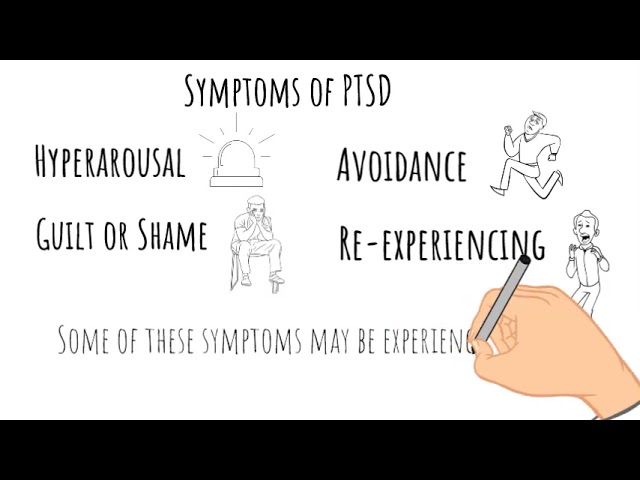
Ease trauma symptoms such as hypervigilance or shutdown
-
Loosen beliefs such as "I have to cope alone" or "I'm not safe to rest"
-
Support your system in moving out of survival mode
Sessions are collaborative and thoughtfully adapted to your nervous system and needs.
EMDR therapy involves:
-
Building safety, resources, and regulation skills
-
Identifying target memories or experiences
-
Processing using bilateral stimulation (eye movements, taps, or sounds)
-
Supporting integration of new information and grounding after sessions
Through EMDR you find the release:
You don’t forget what happened, but it loses its emotional "sting." You no longer experience an ongoing or current threat in your nervous system.
Why EMDR Can Feel Different
Many clients come to EMDR after years of understanding their difficulties intellectually but still feeling stuck emotionally.
Insight can be valuable, but insight alone doesn’t always change how experiences are stored in the nervous system.
EMDR helps the brain process experiences at a deeper level so that you don’t simply understand what happened, you experience a shift in how it affects you today.
If you are looking for a more concentrated approach, you may wish to explore EMDR Intensives
TESTIMONIAL
EMDR Therapy
"Eve has changed my life - though I'm sure she would argue that I've changed my life, she's only supported me in the process. I do things with ease now that seemed impossible a couple of years' ago. And I have confidence that I will concur the things I still find challenging. I no longer live in permanent fight or flight, and most days my OCD and PTSD feels manageable. I would never have believed that I'd be here, finding such joy in life, with where I was at in 2022. Eve helped me find, hold onto, and achieve hope. I will never know how to properly thank her. "

10:50
05:30
EMDR Videos
FAQs About EMDR
1. What is EMDR therapy? EMDR (Eye Movement Desensitisation and Reprocessing) is an evidence-based therapy that helps the brain process distressing or overwhelming experiences. Rather than repeatedly talking through difficult events, EMDR helps the brain reprocess memories so they feel less emotionally intense and have less impact on your daily life.
2. How can EMDR help with trauma? Traumatic experiences can remain “stuck” in the nervous system, influencing how you think, feel and respond long after the event has passed. EMDR helps the brain process these experiences so that memories become less distressing and no longer trigger the same emotional reactions, anxiety or sense of threat.
3. Do I need to have experienced a major trauma for EMDR to help? No. Many people associate trauma with a single major event, but EMDR can also help with experiences that are less obvious yet deeply impactful. This may include emotional neglect, criticism, bullying, relationship difficulties, attachment wounds or growing up in an environment where you felt responsible for others. These experiences can shape how you view yourself, relate to others and cope with stress in adulthood.
4. Can EMDR help with anxiety? Yes. Anxiety is often linked to earlier experiences that taught the nervous system to stay alert, cautious or prepared for danger. EMDR can help address the underlying experiences that contribute to persistent anxiety, allowing you to feel calmer, more grounded and less overwhelmed.
5. Can EMDR help with perfectionism? Often, yes. Many high-achieving adults discover that perfectionism is rooted in deeper beliefs about self-worth, acceptance or safety. EMDR can help process experiences that contribute to these patterns, reducing the pressure to constantly perform, achieve or prove yourself.
6. Can EMDR help if I am successful but still struggling? Absolutely. Many of the people I work with are highly capable, successful adults who appear to be coping well on the surface. Despite their achievements, they may experience anxiety, burnout, self-criticism, emotional exhaustion or difficulties in relationships - e.g. being able to rely on or trust others. EMDR can help uncover and process the experiences that continue to influence these patterns.
7. What is hyper-independence and can EMDR help? Hyper-independence is a pattern of feeling that you must manage everything on your own and avoid relying on others. For many people, this develops as a protective strategy following difficult life experiences. EMDR can help process the experiences that shaped these beliefs, making it easier to trust others, ask for support and feel less alone in carrying life’s challenges.
8. What does an EMDR session involve? EMDR therapy begins with an assessment and preparation phase, ensuring you feel safe and supported before processing difficult memories. During reprocessing, we use bilateral stimulation to help the brain process experiences that may be contributing to current difficulties. The process is collaborative, paced carefully and tailored to your individual needs.
9. Is EMDR therapy available online? Yes. I offer online EMDR therapy across the UK using secure technology designed specifically for EMDR. Many clients find online sessions effective, convenient and easier to fit around busy lives.
10. Does EMDR Therapy Always Involve Processing Traumatic Memories Straight Away? No. EMDR therapy is much more than the processing phase that many people hear about. EMDR follows an eight-phase approach, and processing traumatic memories is only one part of the overall therapy. Before any trauma processing takes place, we spend time understanding your history, identifying your goals and ensuring you have the resources and strategies needed to feel supported throughout the work. The eight phases of EMDR include: * History taking and treatment planning * Preparation and developing coping resources * Assessment of specific memories or experiences * Reprocessing * Installation of more helpful beliefs * Body scan * Closure * Ongoing review and evaluation The preparation phase is an essential part of EMDR therapy and is never rushed. Together, we will work at a pace that feels safe and manageable for you. For many clients, particularly those who have spent years coping on their own or managing difficult experiences through overachievement and self-reliance, building a strong foundation before processing can be an important part of the therapeutic journey. All eight phases are considered EMDR therapy, not just the reprocessing stage.
11. Do you offer EMDR therapy in Somerset? Yes. I provide EMDR therapy from my practice in Wellington, Somerset, as well as online throughout the UK. This allows you to choose the format that feels most comfortable and practical for you.
12. How do I know if EMDR is right for me? EMDR may be helpful if you feel that past experiences continue to affect your confidence, relationships, anxiety levels, self-worth or emotional wellbeing. If you’re unsure whether EMDR is the right approach, we can discuss your needs during an initial consultation and explore what would be most beneficial for you.
13. Why do I still feel anxious even though my life looks successful? Many high-achieving adults assume they should feel better because they are successful in their careers, relationships or responsibilities. Yet success doesn’t automatically resolve the emotional impact of earlier experiences. Sometimes anxiety, perfectionism, overthinking or emotional exhaustion are signs that unresolved experiences are still influencing how you see yourself and the world. EMDR can help process these experiences, reducing the need to stay constantly alert, striving or in control.
bottom of page